
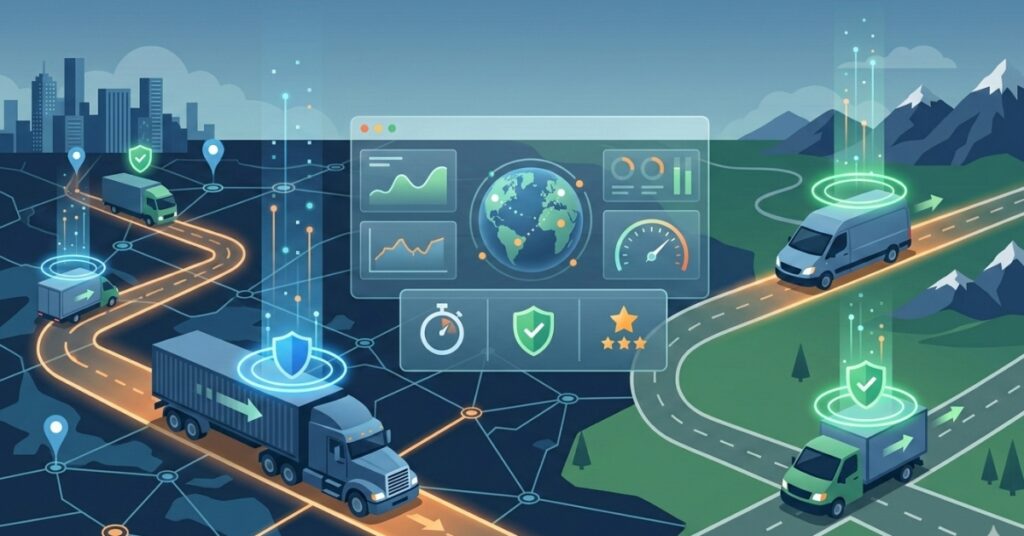
Why Logistics Companies Need Real-Time Field Tracking in 2026
The logistics industry is evolving rapidly, with increasing demand for faster deliveries, better transparency, and improved operational efficiency. However, many logistics companies still rely on outdated tracking methods such as phone calls, spreadsheets, and manual reporting.
This is where real-time field tracking for logistics becomes essential. With modern tracking solutions, businesses can monitor their field staff, optimize delivery routes, and make data-driven decisions.
In this blog, we will explore why logistics companies must adopt logistics tracking software and how it transforms operations.
Challenges Faced by Logistics Companies
Managing logistics operations without proper tracking leads to several issues.
Lack of Real-Time Visibility
Managers cannot track where delivery executives are, leading to delays and inefficiencies.
Delivery Delays
Without route optimization, deliveries often take longer than expected.
Poor Workforce Management
Tracking employee attendance and performance manually creates errors.
High Operational Costs
Fuel wastage and inefficient routes increase overall expenses.
Many of these problems can be solved using a reliable field staff tracking software.
What is Real-Time Field Tracking for Logistics
Real-time field tracking for logistics refers to using GPS-enabled systems to monitor the location, activities, and performance of field employees instantly.
A modern logistics tracking software provides live GPS tracking, route monitoring, automated attendance, and real-time reporting. This helps businesses gain complete visibility over their operations.
Benefits of Real-Time Tracking in Logistics
Improved Delivery Efficiency
Real-time tracking helps companies assign tasks based on location and optimize routes, reducing delivery time.
Better Workforce Management
Using a workforce tracking software, managers can monitor employee performance and attendance accurately.
Reduced Operational Costs
Optimized routes lead to lower fuel consumption and reduced travel time.
Increased Accountability
Employees perform better when their activities are tracked.
Enhanced Customer Satisfaction
Faster and more reliable deliveries improve customer experience.
How GPS Tracking Improves Logistics Operations
A GPS tracking system for logistics companies plays a crucial role in improving operations.
Route Optimization
Helps drivers choose the fastest routes.
Live Location Updates
Managers can track delivery status in real time.
Performance Monitoring
Track number of deliveries completed per employee.
Data-Driven Decisions
Use analytics to improve future operations.
Why Manual Tracking No Longer Works
Many logistics companies still rely on phone calls, WhatsApp updates, and Excel sheets. These methods are outdated and inefficient.
Problems with Manual Tracking
- No real-time updates
- High chances of errors
- Time-consuming processes
- Lack of transparency
Best Logistics Tracking Software Features
When choosing a logistics tracking software, businesses should look for features like real-time GPS tracking, automated attendance, route tracking and history, a centralized dashboard, and mobile app support. These features ensure complete control over field operations.
Why SHOTRACK is Ideal for Logistics Companies
SHOTRACK is a powerful field staff tracking software designed to help logistics businesses improve efficiency and control.
It offers live GPS tracking, automated attendance, route monitoring, performance analytics, and a centralized dashboard. With SHOTRACK, logistics companies can track employees in real time, reduce operational costs, and improve delivery performance.
Real Business Impact
Implementing real-time field tracking for logistics leads to measurable results.
Increased Productivity
Employees complete more deliveries efficiently.
Reduced Costs
Optimized routes lower fuel expenses.
Better Decision Making
Real-time data helps improve operations.
Improved Coordination
Teams work better with centralized communication.
Future of Logistics is Real-Time
The logistics industry is becoming more competitive and technology-driven. Companies that adopt real-time employee tracking systems will gain a strong advantage over competitors.
Investing in a reliable logistics tracking software is no longer optional. It is essential for growth.
Conclusion
Real-time tracking has become a necessity for logistics companies aiming to improve efficiency, reduce costs, and deliver better customer experiences.
By using modern tools like field staff tracking software, businesses can gain complete visibility, improve productivity, and scale operations effectively.
If you want to stay competitive in 2026 and beyond, adopting real-time field tracking for logistics is the right step forward.
Frequently Asked Questions
What is real-time tracking in logistics
It is a system that allows companies to monitor field staff and deliveries using GPS in real time.
How does tracking improve logistics efficiency
It optimizes routes, reduces delays, and improves workforce productivity.
Which software is best for logistics tracking
Tools like SHOTRACK provide real-time tracking, reporting, and workforce management features.